
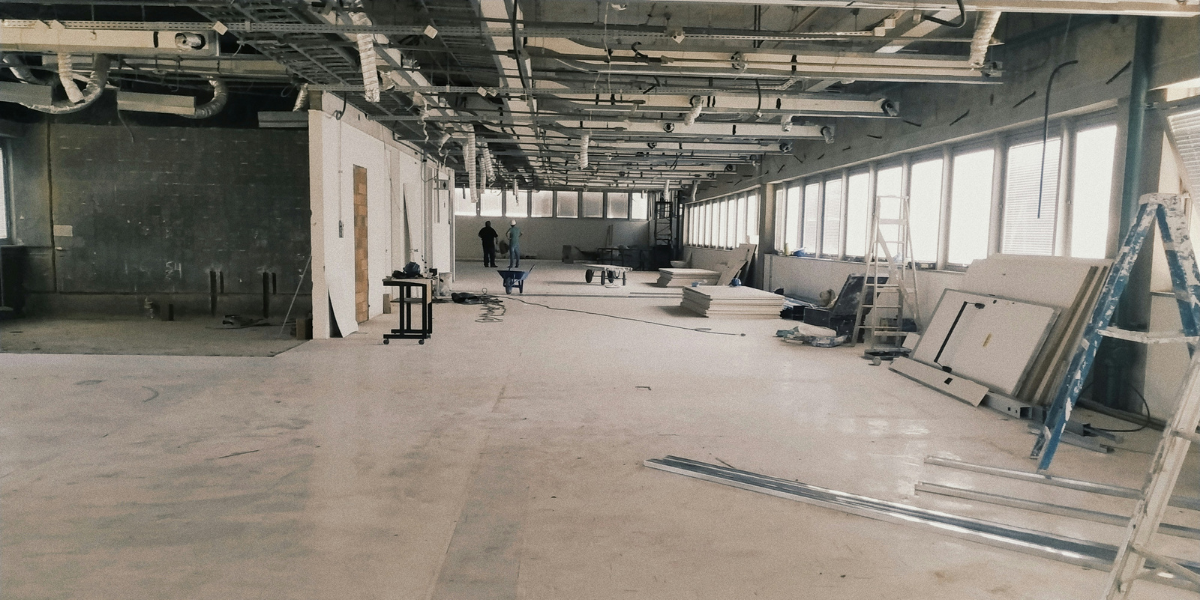
An office tenant recently approached Landmark with an unexpected problem. With just six months remaining on their lease, they contacted their landlord to discuss a renewal, fully expecting to stay.
Instead, they learned that their landlord intended to lease their premises to another tenant in the building who wanted to expand. That tenant had a stronger financial covenant, making them a more attractive long-term occupant from the landlord’s perspective.
What makes this situation particularly challenging is that our client’s premises include specialized laboratory space. Finding another property with an existing lab installation that meets their requirements is unlikely, and recreating that infrastructure elsewhere could be extremely costly.
Now, rather than negotiating a straightforward renewal, they’re facing an urgent search for alternative premises, significant construction expenses, and potential operational disruption.
This is why Landmark recommends that commercial tenants begin assessing their occupancy approximately 24 months before lease expiry, and potentially earlier for strategic or specialized locations.
Start With Your Business, Not Your Landlord
A lease expiry presents an opportunity to reassess whether your real estate still supports your business. Before discussing renewal terms, you need to understand what you’re renewing and whether staying makes sense.
A proper occupancy assessment should consider:
- Operational requirements: Does the space still support your business efficiently? Have staffing, storage, production, or distribution needs changed?
- Location strategy: Have your customers, competitors, suppliers, or surrounding market changed since you signed your lease?
- Occupancy costs: Is your rent in line with the market? Are there opportunities to improve your overall cost structure?
- Future requirements: Will your premises accommodate your business over the next five or ten years?
These questions take time to evaluate properly, particularly when multiple departments, locations, or operational considerations are involved.
The objective is to establish a clear strategy before entering negotiations, rather than allowing an approaching expiry date to dictate your decisions.
Don’t Assume You’ll Have the Option to Stay
One of the first things tenants should establish is whether their lease includes enforceable renewal options.
Without a renewal option or another applicable right to remain, your landlord may be entitled to require you to vacate at the end of your term, subject to the lease and applicable law.
Even a longstanding, positive landlord-tenant relationship doesn’t guarantee a renewal. As our client’s situation illustrates, a landlord may have legitimate commercial reasons to prefer another occupant, including a stronger financial covenant or an opportunity to accommodate an existing tenant’s expansion.
For businesses with specialized premises, the consequences can be particularly significant.
Retailers also face substantial risks. If a location closes before a replacement is operational, even a short interruption can mean lost sales, disrupted customer relationships, and an opportunity for competitors to capture market share.
We recommend identifying locations without remaining renewal options and flagging them in your lease administration system. Pay particular attention to strategically important properties, specialized facilities, and locations that would be difficult to replace.
Renewal notice deadlines should also be tracked carefully. An option is only valuable if it’s exercised correctly and within the required timeframe.
Market Knowledge Gives You Negotiating Power
Even when your preference is to remain, exploring the market is an essential part of a sound renewal strategy.
A thorough market assessment identifies comparable properties, prevailing rental rates, available incentives, and realistic relocation alternatives.
This information helps you understand what a competitive renewal should look like and where you may have room to negotiate, whether that’s rental rates, tenant improvement allowances, operating cost protections, or greater flexibility.
It also sends an important message to your landlord: you have done your homework and are prepared to consider alternatives.
A tenant who has sufficient time to relocate, and can demonstrate credible alternatives, generally has more negotiating flexibility than one whose lease expires in a matter of months.
Of course, the strength of that position depends on the market. If suitable properties are scarce or your requirements are highly specialized, identifying those constraints early is equally valuable.
Construction Timelines Can Make or Break Your Plans
Finding alternative premises is only part of the equation. Preparing them for occupancy can be a lengthy and expensive process.
Whether you’re renovating existing space or building out a new location, design, permitting, landlord approvals, contractor availability, and equipment procurement all need to be factored into your timeline.
These considerations have become increasingly important as construction schedules face pressure from labour availability, procurement challenges, and specialized equipment lead times.
For tenants with complex requirements, such as laboratories, manufacturing facilities, or distribution centres, a relocation can require extensive planning and significant capital investment.
Starting early gives you time to evaluate these costs, negotiate appropriate landlord contributions, and build realistic construction schedules into your decision-making process.
Your Commercial Lease Expiry Timeline: When Should You Start?
Every occupancy requirement is different, but the following provides a general framework for planning ahead.
| Time Before Expiry | What You Should Be Doing |
| 24+ months | Review lease terms, renewal options, critical notice dates, occupancy costs, and business requirements. Flag high-risk or strategic locations. |
| 18 – 24 months | Assess the market, identify comparable properties, evaluate relocation feasibility, and establish your preferred strategy. |
| 12 – 18 months | Engage in renewal discussions, test alternatives, assess financial implications, and begin preliminary design or construction planning where necessary. |
| 6 – 12 months | Finalize negotiations, secure approvals, and advance construction or relocation preparations. |
| Final 6 months | Complete improvements, coordinate any move, and prepare for occupancy or continued operations. |
These timeframes are illustrative. Complex requirements may warrant earlier action, and contractual notice deadlines must always take precedence.
The Value of Having Options
Beginning your occupancy assessment two years before expiry doesn’t mean committing to a move or negotiating prematurely. It means giving yourself enough time to make a well-informed decision.
You may ultimately conclude that remaining in your current premises is the best option. But you’ll know that you’ve evaluated the alternatives, understand the market, and have a clear picture of the costs and risks involved.
And if circumstances change, as they did for our office tenant, you’ll be better positioned to respond.
A lease expiry should be a planned business decision, not an unexpected deadline.
If you have a commercial lease expiring in 2028 or are reviewing upcoming expiries across your portfolio, Landmark Advisory Services can help you assess your options and develop a strategy that protects your business interests.

Krista Leetmaa
Senior Director, Corporate Development
Krista has been part of Landmark Advisory Services since 2014 and is an integral part of our Team.